




By August 3, 2026
Thinking about veneers but not sure which type is right for you? The debate around porcelain vs. composite veneers — which lasts longer and costs less in Plantation — is one Dr. Alessandra Coelho answers regularly at Boutique Smiles of Plantation. Both options can dramatically improve your smile. But they differ significantly in durability, appearance, cost, and how they’re applied. Understanding those differences helps you make a confident, informed decision.
Porcelain vs. Composite Veneers: Key Differences Explained
Porcelain veneers are thin ceramic shells custom-crafted in a dental lab. They bond permanently to the front surface of your teeth. Composite resin veneers, on the other hand, are sculpted directly onto your teeth during a single office visit. Both cover imperfections like chips, stains, and gaps.
The core difference lies in material and process. Porcelain mimics the light-reflecting properties of natural enamel beautifully. Composite resin is a tooth-colored plastic material applied and shaped by your dentist chairside. Each has a unique set of trade-offs worth understanding before you commit.
Which Veneer Lasts Longer? Durability Side by Side
When comparing porcelain vs. composite veneers for longevity, porcelain wins consistently. Porcelain veneers typically last 10 to 20 years with proper care. Composite veneers generally last 5 to 7 years before needing repairs or replacement. That’s a meaningful difference over time.
Porcelain is highly resistant to staining from coffee, tea, and wine. Composite resin is more porous, so it can discolor with regular exposure to staining foods. Porcelain is also harder and less prone to chipping under normal biting forces. However, composite veneers are easier to repair if they do chip or crack.
- Porcelain lifespan: 10–20 years with good oral hygiene
- Composite lifespan: 5–7 years before replacement is needed
- Stain resistance: Porcelain resists stains far better long-term
- Repairability: Composite can be patched chairside; porcelain usually requires full replacement
- Durability under pressure: Porcelain handles chewing forces more reliably
If you grind your teeth, your dentist may recommend a nightguard regardless of which veneer you choose. Both materials can crack under excessive pressure without protection. Dr. Coelho evaluates your bite and habits before recommending any veneer type.
Cost Comparison: Which Option Costs Less in Plantation?
Cost is often the deciding factor for many patients. Composite veneers cost significantly less upfront. In the Plantation, FL area, composite veneers typically range from $250 to $600 per tooth. Porcelain veneers generally range from $900 to $2,000 per tooth depending on complexity.
However, the lower upfront cost of composite doesn’t always mean lower lifetime cost. Because composite veneers need replacing sooner, you may spend more over a decade compared to porcelain. Think of it as a short-term versus long-term investment in your smile. Your dentist can help you weigh which makes more financial sense for your situation.
It’s also worth noting that veneers are a cosmetic treatment. Financing options are available at Boutique Smiles of Plantation to help make either option more accessible. Ask the team about flexible payment plans during your consultation.
The Procedure: What to Expect With Each Veneer Type
The application process differs significantly between the two types. Knowing what’s involved helps you plan your time and set realistic expectations. Here’s what each procedure typically looks like:
- Composite veneer process: Completed in one appointment — your dentist applies resin directly to teeth, sculpts it, and polishes it in a single visit
- Porcelain veneer process: Requires two to three appointments — enamel is lightly removed, impressions are taken, and custom veneers are fabricated in a lab before bonding
- Anesthesia needed: Porcelain prep usually requires local anesthesia; composite often doesn’t
- Reversibility: Composite involves little to no enamel removal and is more reversible; porcelain prep is permanent
- Immediate results: Composite gives you a new smile the same day; porcelain involves a waiting period of one to two weeks
For patients who want an instant transformation without multiple visits, composite veneers offer a compelling option. For those prioritizing a long-lasting, natural-looking result, porcelain is typically the better investment. Dr. Coelho reviews both options thoroughly during your smile consultation.
Aesthetics: Which Veneer Looks More Natural?
Both veneers can produce stunning results in the right hands. However, porcelain has a slight edge in aesthetics. Porcelain mimics the translucency and light reflection of natural tooth enamel more accurately. This makes porcelain veneers nearly indistinguishable from real teeth.
Composite resin has improved significantly over the years. A skilled cosmetic dentist can create beautiful results with composite material. But under close inspection or bright light, composite may appear slightly more opaque than porcelain. For patients prioritizing a seamless, camera-ready smile, porcelain remains the gold standard.
Color stability also matters. Porcelain holds its shade remarkably well for years. Composite can yellow or gray over time, especially with regular coffee or wine consumption. Professional polishing can extend the life and brightness of composite veneers, but staining remains a factor to consider.
Who Is a Good Candidate for Each Type?
Your candidacy depends on your dental health, goals, and budget. Composite veneers work well for patients with minor cosmetic concerns. They’re also a great trial option for patients who want to preview their new smile before committing to porcelain. Younger patients or those on a tighter budget often start with composite.
Porcelain veneers are ideal for patients with more extensive cosmetic needs. They’re also preferred when stain resistance and longevity are top priorities. Patients replacing missing teeth may also explore Dental Implants Plantation as a complementary restorative solution alongside veneers. Similarly, those with structural gaps may consider Dental Bridges Plantation as part of a comprehensive smile plan.
Dr. Coelho conducts a thorough evaluation of your teeth, gums, and bite before recommending either option. Veneers require healthy underlying teeth and gums to succeed long-term. Any decay or gum disease must be addressed before veneer placement begins.
Making the Right Choice for Your Smile in Plantation
Choosing between porcelain and composite veneers is a personal decision. There’s no universally
Share this post
Related Posts

5 Questions About Dental Bridges—Answered by Your Dentist
Have questions about dental bridges? Dr. Alessandra Coelho answers the 5 most common patient questions at Boutique Smiles of Plantation, FL. Book now!
Read More
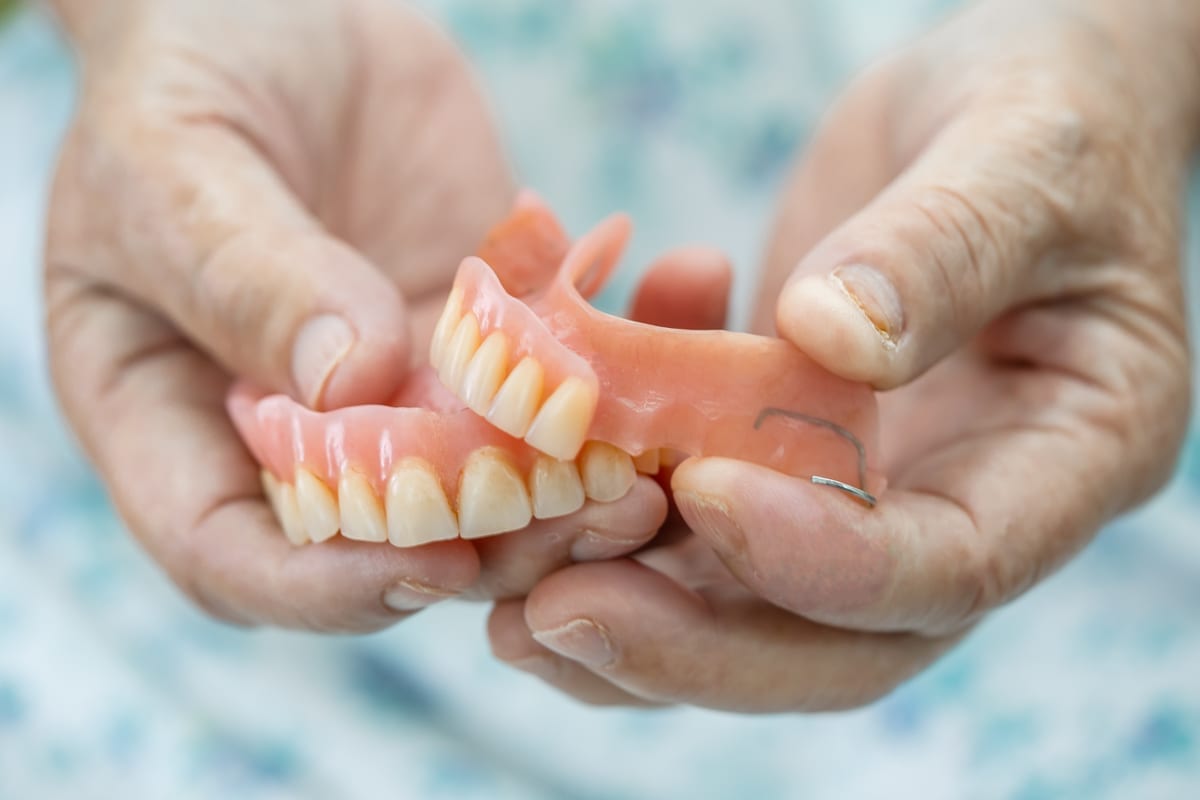
Modern Dentures Look Nothing Like Your Grandmother’s
Discover how modern dentures in Plantation, FL have transformed. Better fit, natural looks & implant options. Book with Dr. Coelho at Boutique Smiles today!
Read More
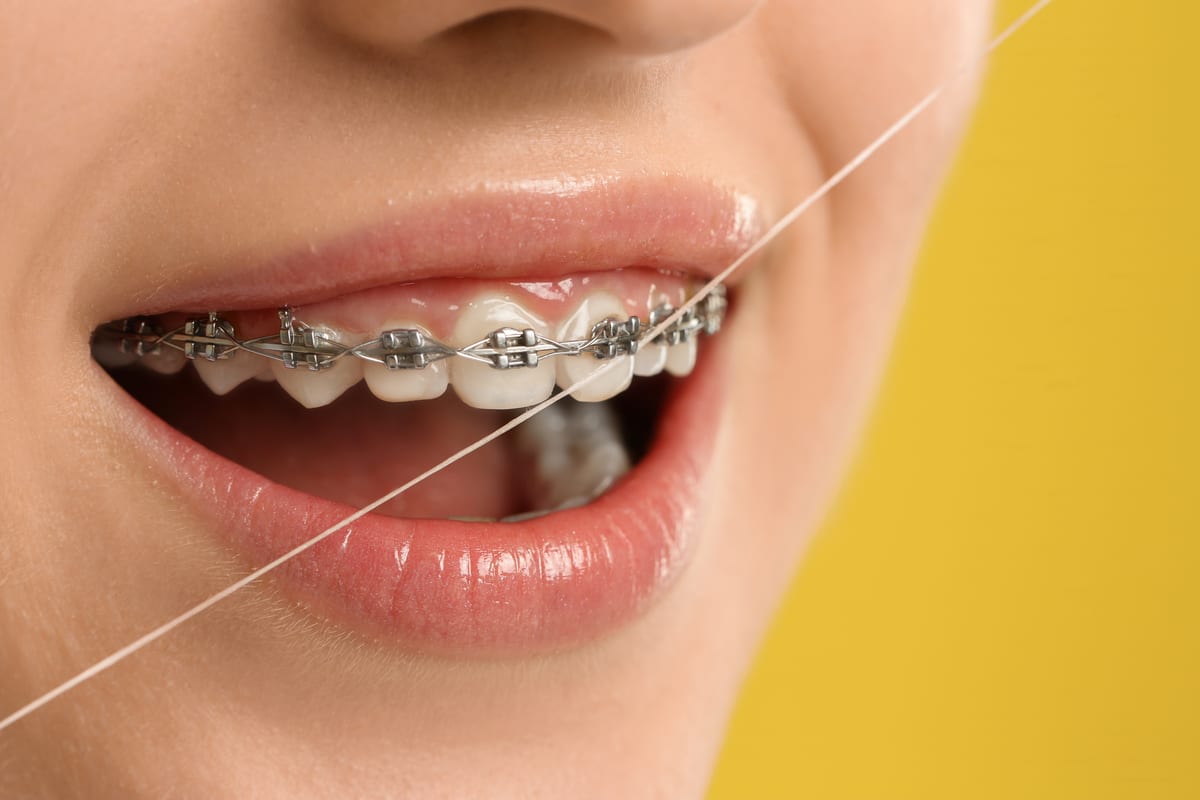
5 Questions New Orthodontic Patients Ask—Honest Answers Inside
New to orthodontics in Plantation? Dr. Coelho answers the 5 most common patient questions honestly. Get clear, reassuring answers before your first visit.
Read More