




By June 8, 2026
If you’ve ever winced during a dental cleaning, you’re not alone. Many patients in Plantation, FL ask us exactly this question: why do teeth feel sensitive during cleaning, and how do we stop it? At Boutique Smiles of Plantation, Dr. Alessandra Coelho and our hygiene team hear this concern every day. Understanding what causes that sensitivity—and what we do about it—can make your next visit much more comfortable.
What Causes Sensitivity During a Dental Cleaning?
Tooth sensitivity during a cleaning happens for several different reasons. The most common cause is exposed dentin, the inner layer of your tooth beneath the enamel. When gum tissue recedes or enamel wears thin, dentin becomes vulnerable to touch, temperature, and pressure.
Tartar buildup is another major contributor. When hardened deposits sit along the gumline, removing them can temporarily expose sensitive tissue underneath. That brief discomfort is actually a sign that cleaning is working.
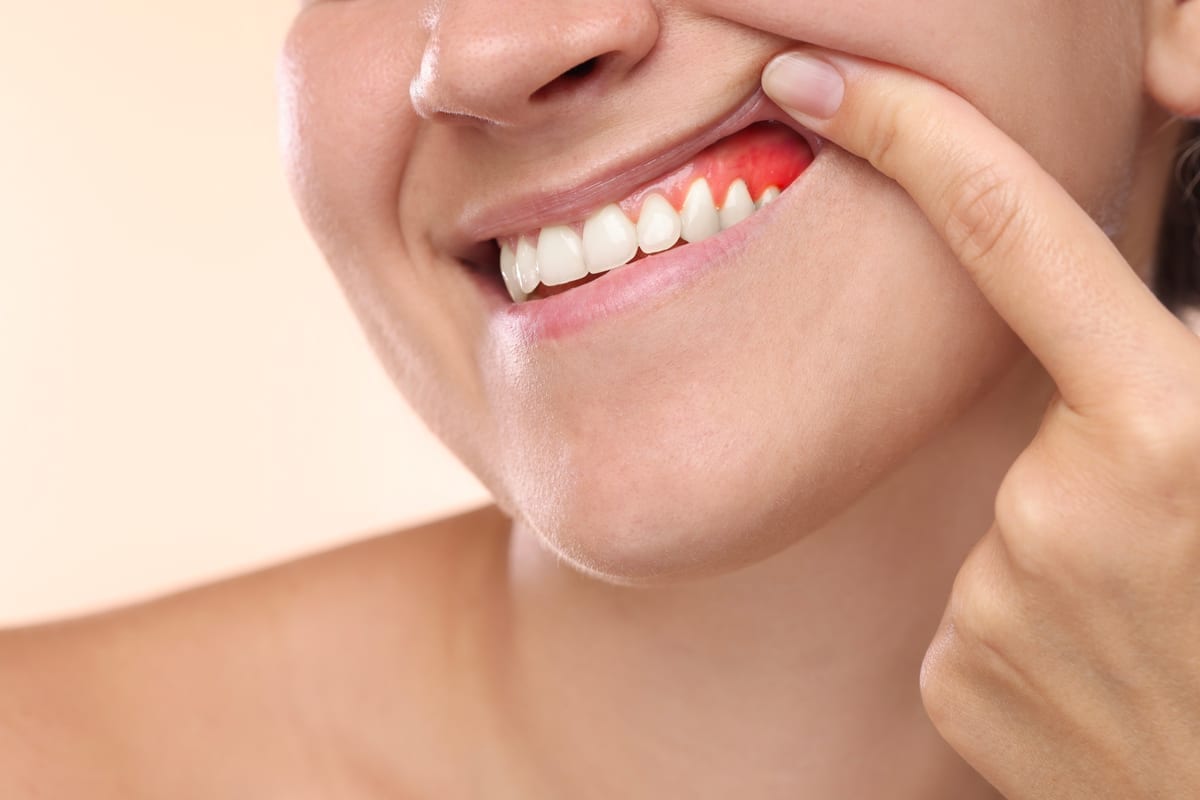
Gum inflammation is also a big factor. Inflamed gums bleed more easily and respond more intensely to the hygienist’s instruments. The good news? Regular cleanings reduce inflammation over time, which means sensitivity often decreases with consistent care.
Common Reasons Patients Feel Sensitivity—A Quick Overview
Every patient’s mouth is different, but certain patterns come up repeatedly in our Plantation practice. Knowing which category applies to you helps us customize your experience from the start.
- Gum recession: Exposes sensitive root surfaces that lack protective enamel
- Enamel erosion: From acidic foods, drinks, or acid reflux
- Tartar accumulation: Especially below the gumline in hard-to-reach areas
- Gingivitis or early gum disease: Inflamed tissue reacts more to touch
- Teeth grinding (bruxism): Wears down enamel and heightens nerve sensitivity
- Post-whitening sensitivity: Temporary nerve irritation that lingers
When you arrive for your appointment, our team asks about your sensitivity history. This helps Dr. Coelho and our hygienists prepare before we ever pick up an instrument.
How Our Plantation Team Minimizes Your Sensitivity During Cleaning
We don’t just acknowledge sensitivity—we actively work to prevent it. Our approach combines technique, technology, and patient communication. Here’s what that looks like in practice.
First, our hygienists use ultrasonic scalers designed to clean efficiently with less manual pressure. These devices use gentle vibrations to break apart tartar without aggressive scraping. Many patients are surprised by how different this feels compared to older techniques.
Second, we apply desensitizing agents to vulnerable areas before and during the cleaning. These products temporarily block the tiny tubules in dentin that transmit pain signals. The effect is subtle but meaningful for sensitive patients.
Third, we communicate with you throughout the appointment. If something feels sharp or uncomfortable, you raise your hand and we stop immediately. No judgment, no rushing. You stay in control the entire time.
- Ultrasonic scalers reduce manual scraping pressure
- Topical desensitizing gels applied before cleaning begins
- Frequent check-ins throughout the appointment
- Breaks offered whenever you need them
- Slower, more deliberate pacing for anxious patients
What Happens After the Cleaning—And How to Protect Your Teeth
Sensitivity after a cleaning is usually short-lived. Most patients notice improvement within 24 to 48 hours. In the meantime, a few simple steps help ease any lingering discomfort.
Switching to a sensitivity toothpaste for a week or two makes a noticeable difference. These formulas contain compounds like potassium nitrate or stannous fluoride that calm nerve activity. Ask us which brand we recommend—some work better than others.
Avoiding very hot or cold foods for a day or two also helps. Your teeth need a brief recovery period after the cleaning instruments have been near sensitive tissue. This is temporary and nothing to worry about long-term.
If you have worn or damaged teeth, we may recommend additional protective treatment. Dental Crowns can cover and protect teeth that have lost significant enamel, reducing sensitivity at its structural source. Dr. Coelho will let you know if this is relevant to your situation.
Connecting Sensitivity to Your Bigger Oral Health Picture
Sensitivity during cleanings is often a signal worth paying attention to. It can point to underlying issues like gum disease, enamel loss, or bite problems. Addressing those root causes improves both your comfort and your long-term dental health.
If your teeth feel sensitive outside of cleanings too, that information is just as important. Sensitivity to cold, sweet foods, or pressure between appointments should be shared with Dr. Coelho right away. Early intervention prevents small problems from becoming larger ones.
Our goal at Boutique Smiles of Plantation is always to treat the whole picture—not just the immediate discomfort. Cosmetic Dentistry solutions like veneers or bonding can also restore enamel surfaces that contribute to sensitivity. We’ll help you find the right path forward based on your unique needs.
Why Consistent Cleanings Actually Reduce Sensitivity Over Time
Here’s something many patients don’t expect: the more consistently you come in for cleanings, the less sensitivity you’ll feel. It seems counterintuitive, but the science supports it clearly.
When cleanings happen every six months, tartar doesn’t accumulate as heavily. That means less scraping, less gum irritation, and less exposure of sensitive tissue. Patients who skip cleanings for a year or more almost always report more discomfort when they return.
Gum health also improves steadily with regular professional care. Healthier gums sit tighter against teeth, protecting roots and reducing the exposed surface area that causes sensitivity. Your body rewards consistency in dental care.
If cost or anxiety has kept you away from the dentist, we understand. Our team takes a judgment-free approach to every patient who walks through our doors in Plantation. We meet you where you are and build from there.
Your Next Step Toward a Comfortable Cleaning in Plantation
You deserve a cleaning experience that doesn’t make you dread the appointment. Dr. Alessandra Coelho and the Boutique Smiles of Plantation team are committed to making that a reality for every patient. We listen, we adapt, and we genuinely care about your comfort at every visit. Book Now to schedule your appointment with our team.
Frequently Asked Questions
Why do my teeth hurt so much during cleanings even though I brush every day?
Brushing at home removes soft plaque but cannot remove hardened tartar. Tartar accumulates along the gumline and causes inflammation, which makes tissue more sensitive to cleaning instruments. Even diligent brushers can develop tartar buildup, especially in hard-to-reach spots between teeth.
Is it normal for my gums to bleed during a cleaning?
Some bleeding during a cleaning is common, especially if you have gum inflammation. Bleeding usually signals that the gum tissue is irritated, often from tartar and bacteria. With consistent professional cleanings and good home care, bleeding typically decreases significantly over time.
Can I ask for numbing gel before my cleaning if I’m very sensitive?
Absolutely. Our hygienists at Boutique Smiles of Plantation are happy to apply a topical numbing gel before your cleaning begins. Just let us know when you arrive—or even when you book—so we can plan your appointment accordingly. Your comfort is always the priority.
How long does sensitivity last after a dental cleaning?
Most patients experience mild sensitivity for 24 to 48 hours after a thorough cleaning. Using a sensitivity toothpaste and avoiding extreme temperatures during that window helps speed recovery. If sensitivity lasts longer than a week, contact our office so Dr. Coelho can evaluate the area.
How often should I get a cleaning if I have sensitive teeth?
For most patients with sensitivity, maintaining a regular six-month cleaning schedule actually reduces discomfort over time. In some cases, Dr. Coelho may recommend more frequent visits if gum disease is present. More consistent cleanings mean less buildup to remove each time, which means a gentler experience overall.
Share this post
Related Posts
Your First Periodontal Visit: What to Expect and How to Prepare
Preparing for your first periodontal visit in Plantation? Learn what to expect at Boutique Smiles of Plantation with Dr. Alessandra Coelho. Book your appointment today!
Read More

Why Your Whole Family Should Trust One Sedation Dentist
Discover why Plantation families trust one sedation dentist for every member. Boutique Smiles of Plantation offers expert family dental care. Book your visit today!
Read More
5 Questions About Dental Bridges—Answered by Your Dentist
Have questions about dental bridges? Dr. Alessandra Coelho answers the 5 most common patient questions at Boutique Smiles of Plantation, FL. Book now!
Read More