



By November 10, 2025
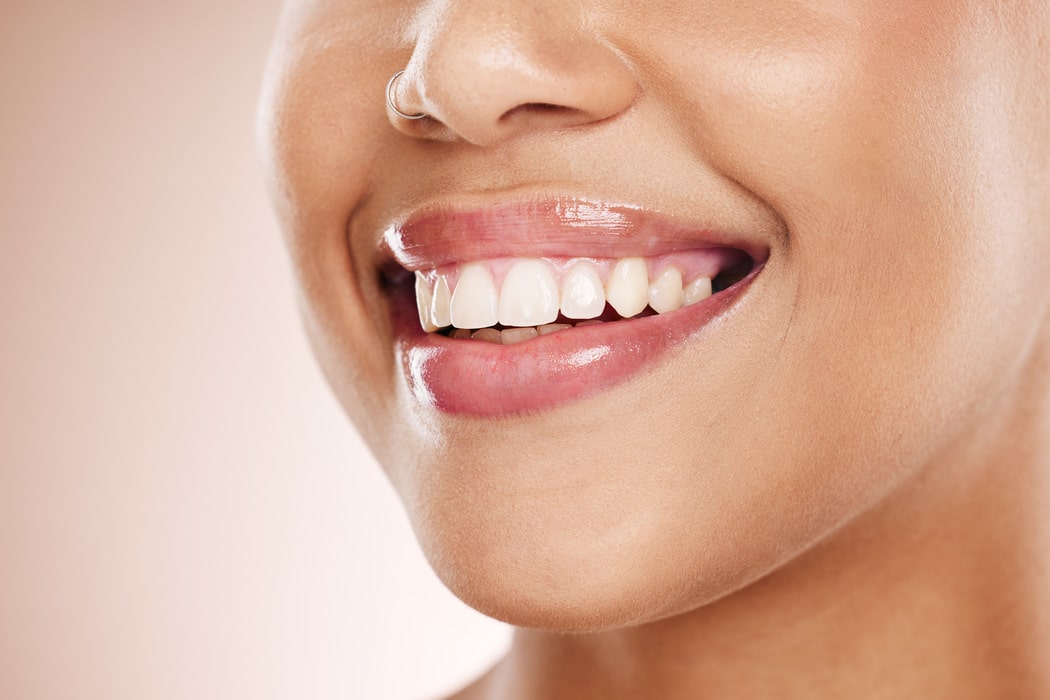
Brilliant smiles create confidence, but results often raise the long-lasting question. One of the most frequent questions that patients ask is how long teeth whitening really remains visible. Whitening improves the appearance of teeth but is never permanent without daily care. Brightness duration is significantly affected by lifestyle habits, whitening methodology, and oral hygiene.
The following blog will explain the duration, reasons for fading, and maintenance tips to ensure the success of teeth whitening. Clear expectations mean less disappointment and smarter smile care decisions for readers. Long-term brightness feels achievable by making informed choices and consistent professional guidance.
How Long Does Teeth Whitening Typically Last
Professional teeth whitening results can last from six months to two years. Dentist-directed teeth whitening penetrates deeper stains and provides longer visible brightness. Results from over-the-counter products usually last for some weeks or even a few months. Lower peroxide strength limits stain removal depth and shortens the result’s longevity.
Teeth whitening would fade over time since enamel reabsorbs pigments from daily foods and drinks. Color change happens slowly, so the reduction of brightness feels less sudden.
Normal fading is a signal of treatment failure or enamel damage. What shows from whitening is highly influenced by maintenance habits. Genetics and the composition of saliva are other factors that influence how fast stains come back. Knowledge of timelines helps avoid unrealistic expectations from in-office teeth whitening in Plantation.
Factors Affecting the Duration of Brightness of Whitening Results
Daily food choices have a profound impact on how long whitening will be visible. These stains, on the surface, are readily reintroduced by coffee, tea, red wine, and dark sauces.
Tobacco and smoking expose enamel to aggressive pigments and acids. Thin enamel allows stains to show through more quickly from the dentin. Strong oral hygiene habits minimize discoloration and protect enamel health.
Enamel thinning occurs in teeth as they age naturally, darkening the teeth. Crowns and fillings never whiten; therefore, in addition to time, teeth whitening creates contrast.
Professional Whitening versus At-Home Whitening: Longevity
Professional treatments deliver higher whitening concentrations under controlled conditions. Dentists monitor enamel response and adjust treatment for safety. In-office teeth whitening in Plantation reaches deeper layers of discoloration.
At-home strips and gels work mainly on surface stains. This uneven application limits consistency with store-bought products.
Whitening toothpaste maintains brightness but never changes the internal tooth color. Predictable results are a key trust builder and long-term satisfaction.
Daily Habits That Can Keep Your Smile Whiter
Simple daily habits protect brightness and minimize premature staining. The person should always opt for light-colored foods and avoid dark-colored beverages whenever possible.
Sip through a straw to reduce contact of liquid with the front teeth. Immediately rinse the mouth with water after drinking coffee or wine.
Wait thirty minutes after consumption of any acidic foods or drinks before brushing. Early brushing can weaken softened enamel surfaces. Choose oral care products that are specially marked as safe to use for whitening maintenance. Avoid abrasive formulas that scratch the enamel.
Set up regular dental cleanings to remove the surface buildup. Professional cleanings restore smooth enamel that resists stain attachment. What counts for long-term results is more about consistency than perfection.
After all, bright smiles are not the result of one-time cosmetic solutions, but of ongoing care. Longevity improves with mindful habits and professional oversight. Dental teams guide safe maintenance and monitor enamel health.
Viewing smile care as a partnership supports realistic expectations. Commitment to routine care protects confidence and appearance in the long run.
FAQs
Why do some teeth darken faster than others?
Uneven enamel thickness and previous dental work cause color differences.
Does water intake help preserve whitening?
Yes. Drinking water rinses pigments away and supports enamel health.
Do genetics influence whitening results?
Yes. Genetics affect enamel color and how stains develop over time.
Does flossing help maintain whitening results?
Yes. Flossing removes plaque that can trap stain particles between teeth.
Share this post
Related Posts
Your First Periodontal Visit: What to Expect and How to Prepare
Preparing for your first periodontal visit in Plantation? Learn what to expect at Boutique Smiles of Plantation with Dr. Alessandra Coelho. Book your appointment today!
Read More

Why Your Whole Family Should Trust One Sedation Dentist
Discover why Plantation families trust one sedation dentist for every member. Boutique Smiles of Plantation offers expert family dental care. Book your visit today!
Read More
5 Questions About Dental Bridges—Answered by Your Dentist
Have questions about dental bridges? Dr. Alessandra Coelho answers the 5 most common patient questions at Boutique Smiles of Plantation, FL. Book now!
Read More