




By August 24, 2026
Your crown just fell out — and now you’re standing in your kitchen holding a tiny piece of tooth-shaped porcelain, wondering what to do. This situation is stressful, but it happens more often than you might think. At Boutique Smiles of Plantation, Dr. Alessandra Coelho sees patients in exactly this situation regularly. Here in Plantation, FL, knowing what to do right now can protect your tooth, reduce your pain, and prevent a bigger problem later.
Why Your Crown Just Fell Out: What to Do Right Now in Plantation Starts With Staying Calm
First, take a breath. A lost crown is rarely a dental emergency in the life-threatening sense. However, it does require prompt attention. The exposed tooth underneath is vulnerable to bacteria, temperature sensitivity, and physical damage. Acting quickly and correctly makes a real difference in your outcome.
Start by rinsing your mouth gently with warm water. Do not scrub the tooth or poke the exposed area. Check the crown itself — is it intact, cracked, or broken? This information will help Dr. Coelho determine whether the same crown can be recemented or whether a new one is needed.
What to Do With the Crown Right Now
Do not throw the crown away. Even if it looks damaged, your dentist needs to see it. Rinse it gently under cool water and store it in a small zip-lock bag or a clean container. Bring it with you to your appointment.
If the crown is intact and the tooth isn’t painful, you may be able to temporarily reattach it yourself. Dental cement, available at most pharmacies, can hold the crown in place for a short time. Products like Dentemp or Recapit work well as temporary solutions.
Here is how to apply temporary dental cement safely:
- Dry the inside of the crown thoroughly with a cotton ball
- Apply a small amount of temporary dental cement inside the crown
- Carefully press the crown back onto the tooth
- Bite down gently and hold for several seconds
- Wipe away any excess cement with a damp cloth
- Avoid eating on that side until you see your dentist
Never use super glue or household adhesive on a dental crown. These substances are toxic and can permanently damage the tooth structure underneath.
What Makes a Lost Crown Worse — Common Mistakes to Avoid
Many patients accidentally make things worse while waiting for their appointment. Knowing what not to do is just as important as knowing what to do.
Avoid hard, sticky, or crunchy foods entirely. The exposed tooth is structurally weaker without its crown. Biting into hard food can crack or fracture the underlying tooth. A cracked tooth is far more complicated — and costly — to treat than a simple recementing.
Here are the most common mistakes patients make after losing a crown:
- Leaving the crown out for days without seeking care
- Eating on the affected side without protection
- Using household glue to reattach the crown
- Ignoring pain or swelling as if it will go away on its own
- Skipping the appointment because there is no visible pain
Even if you feel no pain, the exposed dentin and root surface can become infected quickly. Bacteria thrive in the warm, moist environment of your mouth. A painless situation today can become a root canal situation within days if ignored.
Could Your Tooth Need More Than Just a New Crown?
Sometimes a crown falls out because the tooth underneath has changed. Decay can weaken the bond between the tooth and the crown. If enough tooth structure is lost, the crown simply cannot be re-secured. Dr. Coelho will evaluate the tooth carefully before deciding the best path forward.
In some cases, the tooth may be too compromised to support a new crown. If the tooth cannot be saved, you will need to consider your tooth replacement options. Dental Implants Plantation are one of the most durable and natural-feeling long-term solutions available. They replace the entire tooth, root and all, so you never have to worry about a crown falling off again.
Another excellent option is a fixed Dental Bridges Plantation restoration, which spans the gap left by a missing tooth using the adjacent teeth as anchors. Dr. Coelho will walk you through every option so you can make a confident, informed decision.
When to Treat This as a Dental Emergency in Plantation
Most lost crowns can be managed as same-day or next-day appointments. However, certain signs mean you should seek care immediately. Do not wait if you experience any of the following.
Call Dr. Coelho’s office right away if you notice:
- Severe or sharp pain at the exposed tooth site
- Swelling in the gum, jaw, or cheek near the tooth
- A foul taste or smell coming from the area
- Visible pus or bleeding that does not stop
- Fever alongside dental discomfort
These symptoms may point to an active infection. An untreated dental infection can spread quickly. Boutique Smiles of Plantation offers emergency dentistry appointments to address urgent situations like these without delay.
What to Expect at Your Crown Appointment
When you come in, Dr. Coelho will take a quick X-ray to assess the tooth and surrounding bone. She will check the existing crown for fit and damage. If everything looks good, she may simply clean and re-cement the crown in the same visit.
If the crown needs replacing or the tooth requires additional treatment, she will outline your options clearly. The process of placing a new crown typically takes two visits. A temporary crown protects the tooth in between appointments while the permanent one is crafted to match your smile precisely.
You should feel comfortable and informed at every step. Dr. Coelho and the Boutique Smiles team prioritize clear communication. No surprises, no pressure — just straightforward dental care.
Conclusion: Don’t Wait on a Crown That Just Fell Out
A lost crown is not something to push to the bottom of your to-do list. The longer the tooth stays unprotected, the greater the risk of decay, fracture, or infection. Temporary cement buys you a little time — but it is not a long-term solution. The right move is to call Boutique Smiles of Plantation today and get that tooth properly evaluated and treated by Dr. Alessandra Coelho. Book Now to schedule your appointment with our team.
Frequently Asked Questions
Can I eat normally after my crown falls out?
No. You should avoid eating on the side of the mouth where the crown fell out. Stick to soft foods and chew on the opposite side until you see your dentist. Hard or sticky foods can fracture the exposed tooth and cause much more serious damage.
Is it safe to reattach the crown myself at home?
Temporary dental cement from a pharmacy is safe to use as a short-term fix. However, it is not a permanent solution. Never use household glue, super glue, or any non-dental adhesive — these are toxic and can damage your tooth permanently. See your dentist as soon as possible.
How long can I leave a crown off before it causes damage?
Even a day or two without a crown leaves your tooth vulnerable to bacteria, sensitivity, and cracking. Dentists generally recommend being seen within 24 to 48 hours. The longer you wait, the higher the chance the tooth will need more extensive treatment than a simple recementing.
What if my tooth hurts after the crown falls out?
Pain after losing a crown can signal that decay, infection, or nerve involvement is already present. This should be treated as a dental emergency. Contact Boutique Smiles of Plantation right away so Dr. Coelho can evaluate and treat the tooth before the problem worsens.
Will I need a brand new crown or can the old one be reused?
It depends on the condition of both the crown and the underlying tooth. If the crown is intact and the tooth has sufficient structure, Dr. Coelho may be able to re-cement the existing crown. If the crown is cracked or the tooth has decayed beneath it, a new crown will be needed.
Share this post
Related Posts

Your First Cosmetic Dental Consultation: What to Expect
Wondering what happens at your first cosmetic dental consultation in Lauderhill? Dr. Coelho walks you through every step. Book Now at Boutique Smiles of Plantation.
Read More
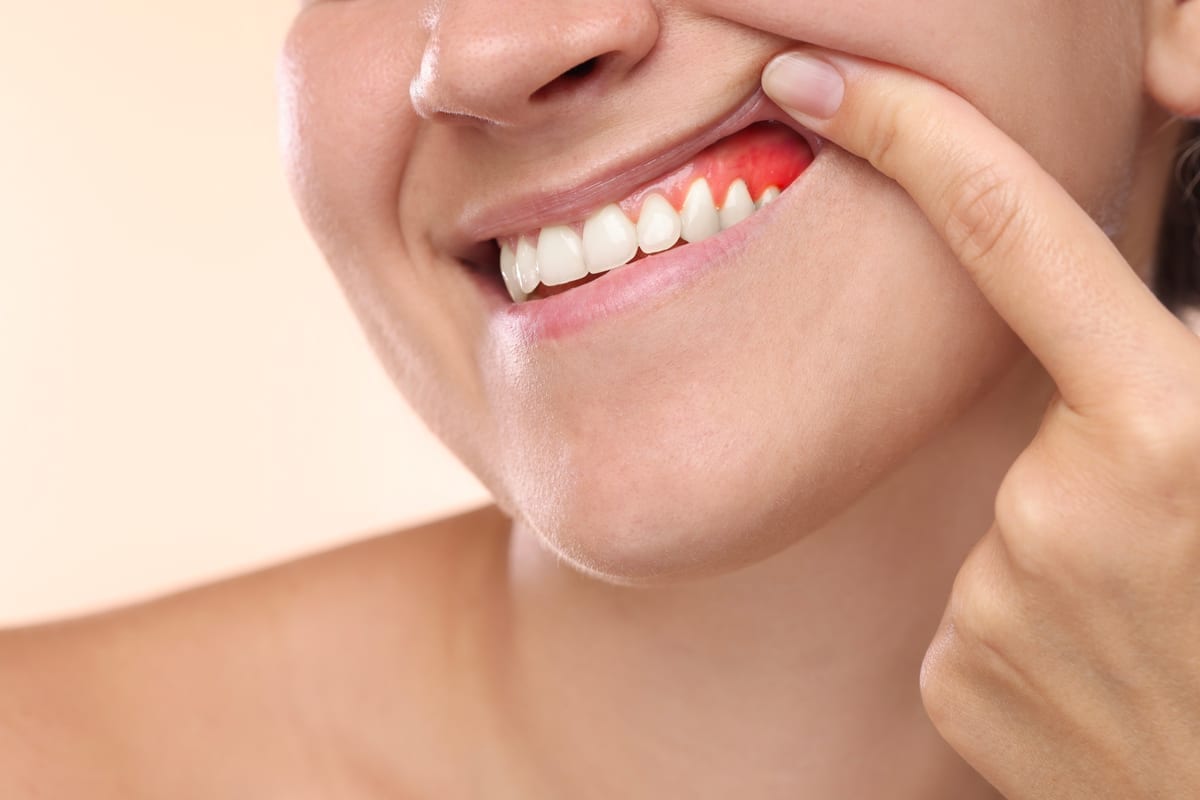
Your First Periodontal Visit: What to Expect and How to Prepare
Preparing for your first periodontal visit in Plantation? Learn what to expect at Boutique Smiles of Plantation with Dr. Alessandra Coelho. Book your appointment today!
Read More

Why Your Whole Family Should Trust One Sedation Dentist
Discover why Plantation families trust one sedation dentist for every member. Boutique Smiles of Plantation offers expert family dental care. Book your visit today!
Read More