



By November 23, 2026
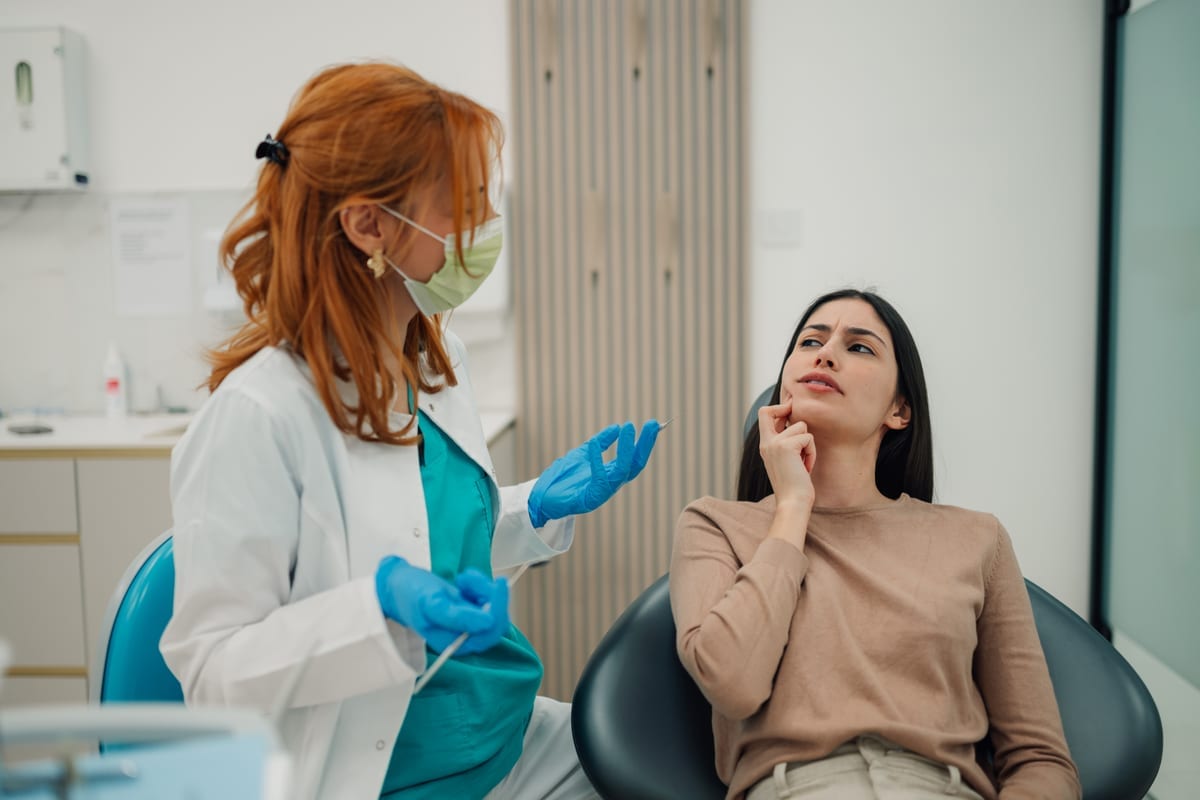
Jaw pain can sneak up on you without warning. Many patients in Plantation, FL come to Boutique Smiles of Plantation unsure why their jaw aches, clicks, or feels stiff. Understanding the five hidden causes of your jaw pain you might not know in Plantation can help you take action sooner. Dr. Alessandra Coelho and our team are here to guide you through what may be happening and what you can do about it.
What Is TMJ and Why Does It Hurt?
Your temporomandibular joint, or TMJ, connects your jawbone to your skull. It acts like a hinge that allows you to chew, speak, and yawn. When something disrupts this joint, pain and discomfort can follow quickly.
TMJ disorders affect millions of Americans every year. Many people dismiss the pain as stress or tension. However, the root causes are often deeper and more specific than you might expect.
Identifying the right cause is the first step toward lasting relief. Without a proper diagnosis, jaw pain can worsen over time. Dr. Coelho takes a thorough approach to understanding each patient’s unique situation.
Five Hidden Causes of Jaw Pain Patients in Plantation Often Overlook
Most people assume jaw pain comes from an obvious injury. In reality, the causes are often subtle and easy to miss. Here are five common contributors that Dr. Coelho frequently identifies in patients at our Plantation practice.
- Bruxism (teeth grinding): Many people grind or clench their teeth during sleep without realizing it. This constant pressure strains the jaw muscles and joint over time.
- Chronic stress: Stress causes muscle tension throughout the body, including the jaw. Many Plantation patients unconsciously clench their jaw during stressful workdays or while driving.
- Bite misalignment: When your upper and lower teeth do not meet properly, your jaw works harder to compensate. This imbalance can trigger persistent pain and headaches.
- Arthritis: Osteoarthritis and rheumatoid arthritis can both affect the TMJ. Joint inflammation leads to stiffness, swelling, and aching discomfort around the jaw area.
- Past jaw injury: An old sports injury, accident, or even a difficult tooth extraction can leave lasting effects. These past traumas can gradually develop into TMJ dysfunction years later.
How Bruxism and Stress Silently Damage Your Jaw
Bruxism is one of the most common yet underdiagnosed causes of jaw pain. Patients often grind their teeth at night and wake up with a sore jaw or headache. Because it happens during sleep, many people never connect the two.
Stress amplifies bruxism significantly. When life feels overwhelming, your body holds tension in unexpected places. The jaw muscles are especially prone to stress-related clenching and fatigue.
Left untreated, bruxism can wear down tooth enamel rapidly. It can also lead to damaged dental restorations over time. In some cases, patients need Dental Crowns Plantation to restore teeth that grinding has severely worn down.
Dr. Coelho often recommends custom nightguards for patients with bruxism. This simple device cushions the teeth and reduces jaw pressure during sleep. Many patients notice significant pain relief within just a few weeks of consistent use.
Bite Misalignment, Arthritis, and Old Injuries Explained
A misaligned bite places uneven stress on your jaw joint. Your muscles work overtime trying to bring your teeth together correctly. Over time, this leads to chronic soreness, jaw fatigue, and even ear pain.
Orthodontic treatment can often correct bite issues that contribute to TMJ disorders. Straightening your teeth improves how your jaw functions as a whole. Dr. Coelho evaluates bite alignment as part of every comprehensive exam at our Plantation office.
Arthritis in the TMJ is more common than most patients realize. The joint cartilage breaks down with age or due to inflammation. This results in a grinding or popping sensation when you open and close your mouth.
Past jaw injuries deserve special attention during your dental evaluation. A fracture or dislocation from years ago can quietly cause dysfunction later in life. Even a difficult tooth removal can create lasting joint imbalance if the jaw heals improperly. If tooth loss is part of your history, Dental Implants Plantation may help restore proper bite balance and reduce jaw strain.
Warning Signs You Should Not Ignore
Jaw pain rarely appears on its own without other accompanying signs. Knowing what to watch for helps you seek care before the problem worsens. Here are key symptoms that warrant a dental evaluation:
- Clicking or popping sounds when you open your mouth
- Jaw stiffness or limited range of motion in the morning
- Frequent headaches, especially near the temples
- Ear pain or a feeling of fullness in the ears without infection
- Facial muscle tenderness or soreness around the cheeks
- Teeth that feel sore or sensitive without an obvious dental cause
These symptoms may seem unrelated to your teeth or gums. However, they often point directly to a TMJ problem. Dr. Coelho connects these dots during a thorough clinical evaluation at Boutique Smiles of Plantation.
How Dr. Coelho Helps Plantation Patients Find Relief
At Boutique Smiles of Plantation, we take jaw pain seriously. Dr. Coelho conducts a detailed exam that includes evaluating your bite, jaw movement, and muscle tenderness. She listens carefully to your symptoms before recommending any treatment.
Treatment options vary depending on the cause of your jaw pain. Some patients benefit from a custom nightguard for bruxism. Others may need bite adjustment, orthodontic support, or restorative dental work to correct the underlying issue.
The goal is always to treat the root cause, not just manage the symptoms. Early intervention leads to faster relief and prevents further joint damage. Patients across Plantation trust Dr. Coelho’s patient-centered approach to jaw pain and TMJ care.
You deserve to wake up pain-free and enjoy your daily life without jaw discomfort. Our team is ready to help you understand what is happening and move toward effective solutions. Book Now to schedule your appointment with our team.
Frequently Asked Questions
What is the most common cause of jaw pain in adults?
Bruxism, or teeth grinding, is one of the most frequently seen causes of jaw pain. Many adults grind their teeth at night without knowing it. Stress and anxiety often make bruxism worse. A dental exam can confirm whether grinding is contributing to your discomfort.
Can stress really cause jaw pain?
Yes, stress is a significant contributor to TMJ-related jaw pain. When you are stressed, your muscles tighten, including the muscles around your jaw. Many people clench their jaw unconsciously throughout the day. Over time, this muscle tension leads to soreness, headaches, and joint strain.
How do I know if my jaw pain is a TMJ disorder?
Common signs of a TMJ disorder include clicking or popping sounds in the jaw, limited mouth opening, facial muscle tenderness, and frequent headaches. Ear pain without infection is also a telltale sign. Dr. Coelho can diagnose TMJ disorders during a comprehensive dental evaluation at our Plantation office.
Can an old jaw injury cause problems years later?
Absolutely. Past trauma to the jaw, such as a fracture or sports injury, can disrupt the alignment and mechanics of the TMJ over time. Many patients do not connect their current pain to an old injury. A thorough dental history helps Dr. Coelho identify these hidden connections.
What treatments are available for TMJ disorders in Plantation?
Treatment depends on the underlying cause. Options may include custom nightguards, bite adjustment, orthodontic care, restorative dental work, or lifestyle modifications. Dr. Alessandra Coelho at Boutique Smiles of Plantation creates individualized treatment plans to address each patient’s specific needs. Early treatment typically leads to the best long-term outcomes.
Share this post
Related Posts
Five Hidden Causes of Your Jaw Pain You Might Not Know
Discover five hidden causes of your jaw pain you might not know in Plantation. Dr. Coelho explains TMJ triggers. Book your visit at Boutique Smiles today.
Read More
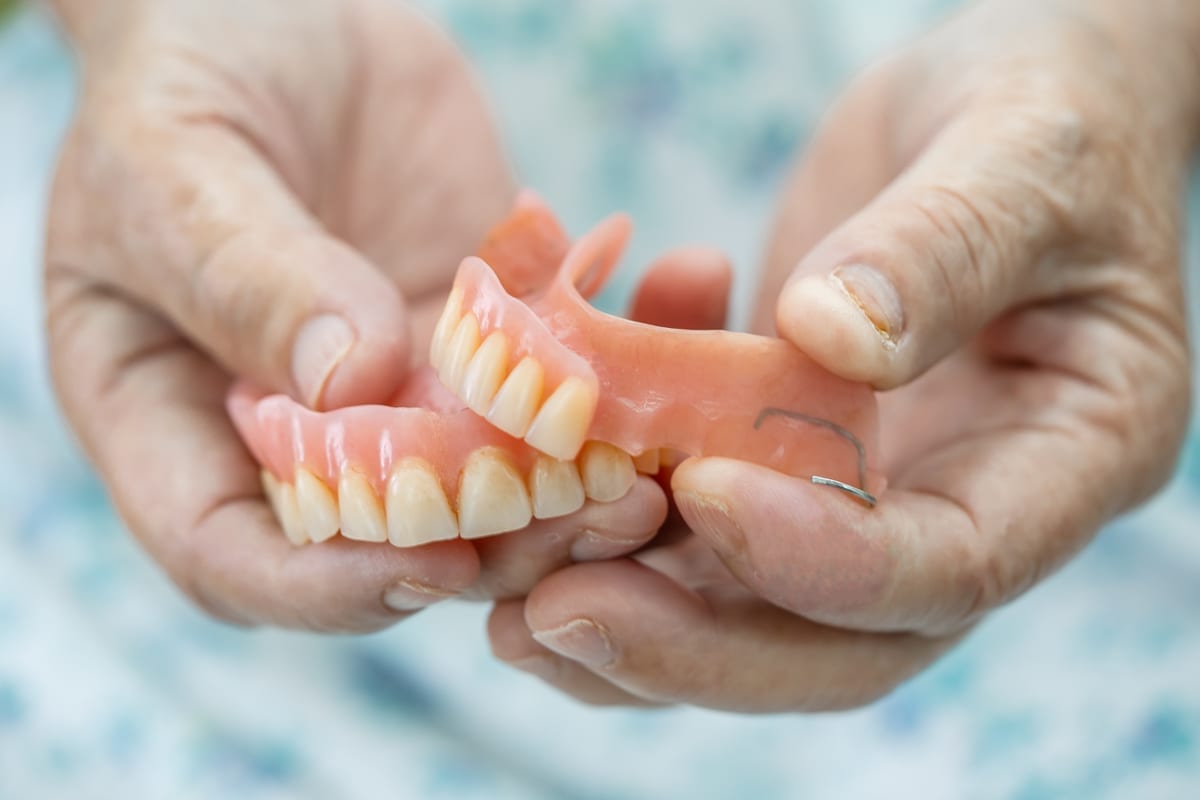
Modern Dentures Look Nothing Like Your Grandmother’s
Discover how modern dentures in Plantation, FL have transformed. Better fit, natural looks & implant options. Book with Dr. Coelho at Boutique Smiles today!
Read More
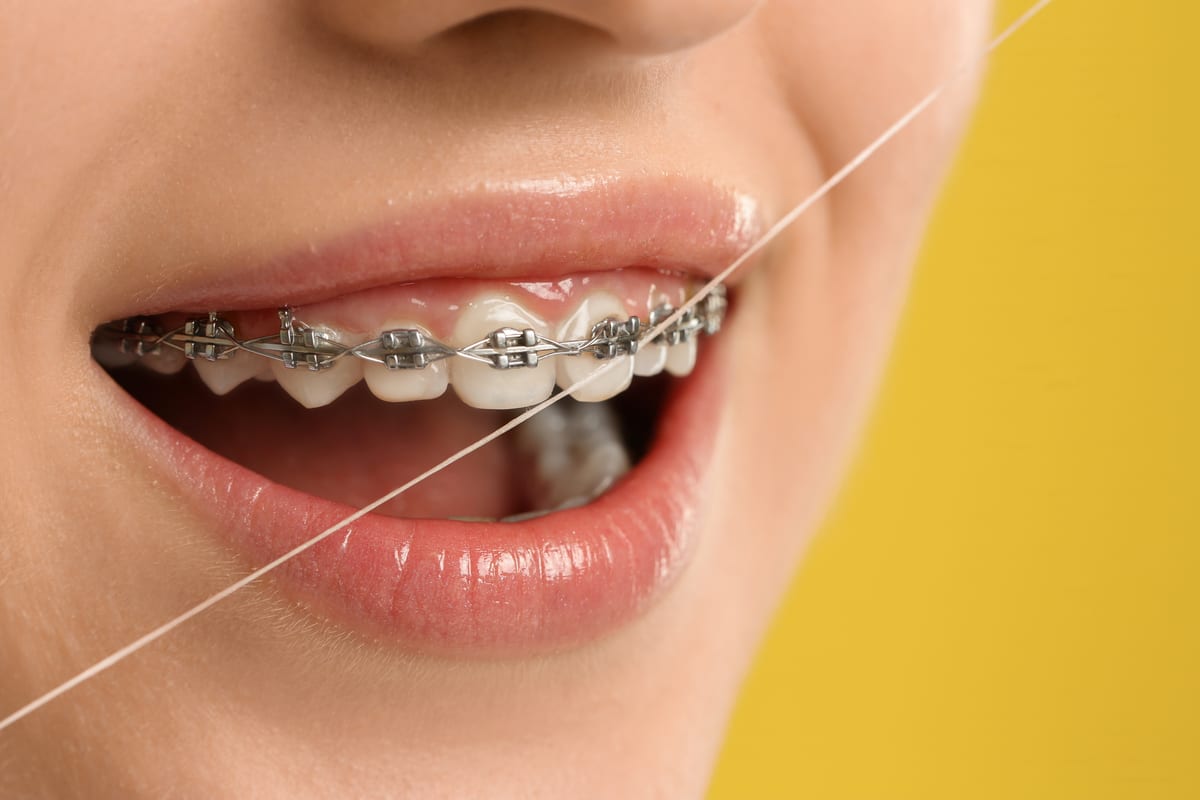
5 Questions New Orthodontic Patients Ask—Honest Answers Inside
New to orthodontics in Plantation? Dr. Coelho answers the 5 most common patient questions honestly. Get clear, reassuring answers before your first visit.
Read More